
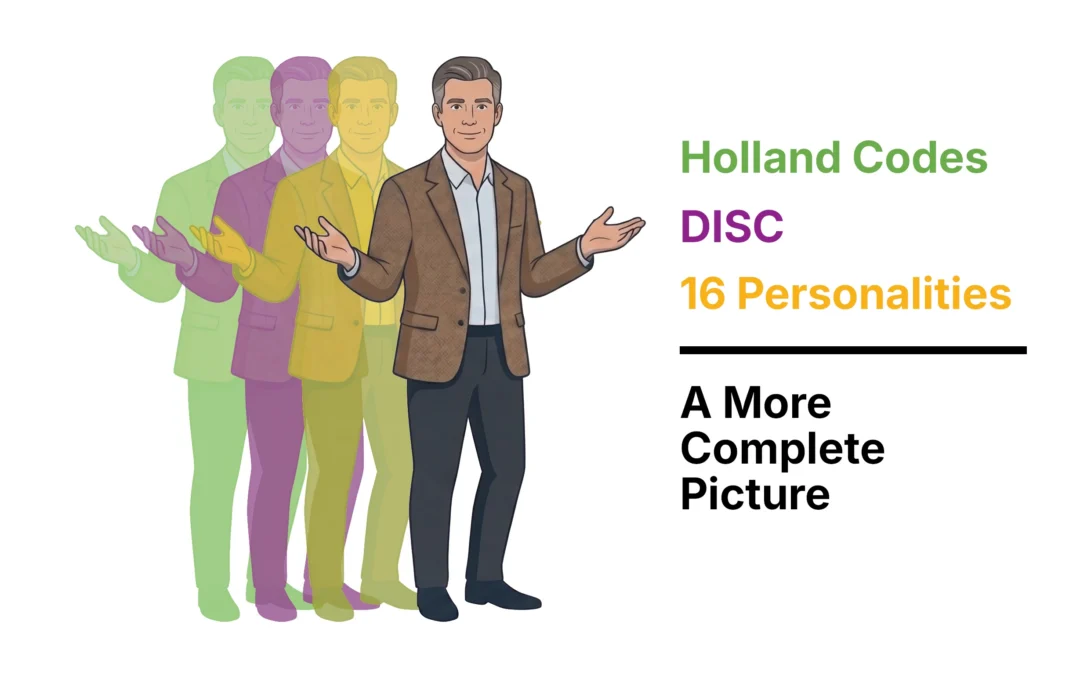
The report suggests one thing—but their real-world behavior tells a different story.
At that point, most people ask the wrong question:
“Is the assessment wrong?”
In many cases, the answer is no.
The issue isn’t that the assessment is wrong—it’s that it’s being interpreted in isolation.
A Real-World Example
Consider this scenario.
You have an employee who scores high in Dominance on a DISC assessment. Naturally, you expect them to make quick, decisive calls.
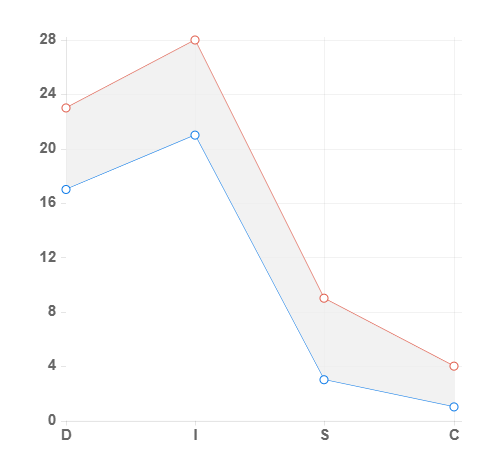
This DISC profile shows high Dominance and Influence, often associated with a fast-paced, results-driven approach to decision-making.
But in practice, they hesitate. They take time. They want more information before committing.
It’s easy to assume something is off.
But then you look deeper.
- Their Holland Code shows a strong Conventional preference—indicating a desire for structure, accuracy, and organized work.
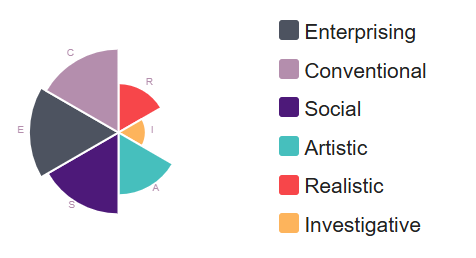
This RIASEC profile highlights a blend of Enterprising and Conventional traits, combining a drive for results with a preference for structure and organization.
- Their MBTI type falls into the SJ category—associated with responsibility, discipline, and doing things the “right” way.
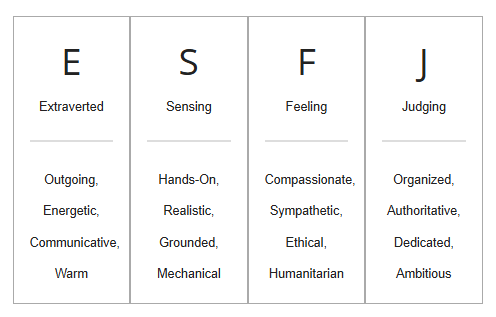
The ESFJ personality type emphasizes structure, responsibility, and a preference for practical, people-oriented decision-making.
Now the behavior starts to make sense.
The Mistake: Treating One Signal as the Whole Story
It’s tempting to simplify personality insights into clean labels:
- “High D = decisive”
- “Low C = doesn’t need details”
But people don’t operate on a single dimension.
They are a combination of tendencies—sometimes reinforcing each other, and sometimes pulling in different directions.
When you look at only one system, you risk missing that interaction entirely.
What’s Actually Happening
In this case, the employee isn’t indecisive.
They’re balancing two valid internal drivers:
- A desire to move quickly and take ownership
- A desire to be accurate, thorough, and responsible
The result?
They don’t avoid decisions—they make sure they can stand behind them.
What This Means for Managers
If you’re leading someone like this, pushing them to “just decide faster” often backfires.
Instead, focus on reducing the friction behind their decision-making:
- Clarify what “good enough” looks like
- Define acceptable levels of risk
- Ensure access to the information they need
- Set clear expectations for decision timelines
When you address the underlying tension, performance improves naturally.
The Bigger Insight
Personality assessments aren’t meant to give you final answers.
They help you form better hypotheses—and ask better questions.
When results seem inconsistent with behavior, don’t discard them.
Use them as a starting point for understanding what’s really going on.
Final Thought
Most people aren’t one thing.
They’re a balance of competing tendencies.
The real value of personality insight is understanding how that balance plays out in the decisions people make every day.
Hire Better and
Manage Smarter
We combine 3 proven, established assessments into one, giving you the most comprehensive view of a person.
Are you seeking an assessment for personal use? Click Here