
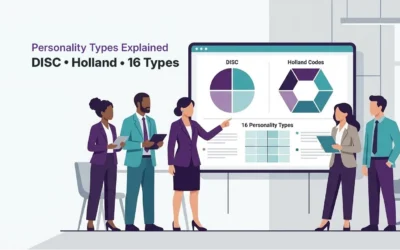
Personality Types Explained: DISC, Holland & 16 Types
Talent Insights Series: Personality Types Explained DISC, Holland Codes, and 16 Personality Types for Work and Career Success Understanding personality can help people make better decisions about work, communication, leadership, and career fit. In this series, we...
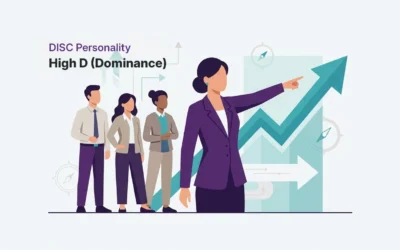
DISC High D Personality: Traits, Leadership Style & Careers
Personality Types Explained Series: DISC • Holland • 16 Personalities What Does It Mean to Be a High D Personality? A High D personality in the DISC assessment refers to someone with a strong Dominance behavioral style. High D individuals are typically decisive,...

When Both Candidates Are Strong: Choosing the Right Seat on the Bus
Hiring isn’t just about finding good people. It’s about placing good people in the right roles. Where the “Bus” Metaphor Comes From Jim Collins, in Good to Great, popularized a simple leadership metaphor: “Who” before “what” — get the right people first, then decide...

Why the Resume Isn’t Enough—and How Personality Assessments Improve Interview Quality
Structured interviews improve hiring decisions. But structure still needs better inputs than the resume alone. The Resume Still Dominates Hiring—For Understandable Reasons Resumes are familiar. They’re easy to scan, easy to compare, and deeply embedded in how hiring...

Why “Good Interviews” Can Still Lead to Bad Hires
Hiring mistakes don’t come from bad intentions—they come from unstructured decisions. Introduction: When “Great Interviews” Still Go Wrong Most hiring mistakes begin the same way. The candidate interviewed well. The conversations flowed naturally. Everyone involved...

Predictive Index vs. Talent Insights: Choosing the Right Tool for Your Organization
When organizations begin researching personality and behavioral assessment tools, one name often comes up early: Predictive Index. It’s well known, widely recommended, and frequently positioned as a comprehensive solution for understanding workplace behavior. But as...

The Rise of Hiring Assessments: Why 2026 Is the Year Companies Fully Embrace Structured Evaluation
For years, personality assessments have been a familiar part of the culture — shared among coworkers, popular on social media, debated in classrooms, and used in leadership retreats and coaching programs. But something new is happening in the talent world, and the...

The Value of Engaged Employees: Driving Business Success Through Engagement
Employee engagement isn’t a passing trend—it’s a proven driver of business performance. When employees are engaged, they bring energy, purpose, and commitment to their work. And that translates directly into better results for your business. The Business Impact of...

Minimizing Burnout and Optimizing Productivity: A Personality-Driven Approach to Assigning Work
Burnout is one of the biggest challenges in today’s workplace, often caused by misalignment between an employee’s natural tendencies and their daily work demands. Many businesses unknowingly assign work based on availability rather than fit, leading to inefficiency,...

Are You Setting Your Team Up for Success — or for Stress?
As a manager, you want your team performing at their best. But when someone is struggling, it’s easy to assume they just need to push harder—work faster, try more, “rise to the challenge.” Sometimes, though, the problem isn’t effort or attitude. It’s the role itself....

How Well Do You Communicate?
Take the Self-Assessment Quiz
How Well Do You Really Communicate at Work? Most miscommunication isn’t caused by a lack of effort—it’s caused by a lack of awareness. You might think you're being clear, but if your message isn't landing the way you intended, the result is lost time,...

Top 10 Reasons to Use the MAP Instead of Just DISC
DISC is powerful—but here’s what you’re missing without the MAP: DISC shows behavior—but not thinking or motivationThe MAP fills in the gaps by adding personality and career interest insights. Same DISC style, different needsTwo high-S employees may behave the...

Top 10 Reasons to Use the MAP Instead of Just Myers-Briggs
If you love the 16 personality types, here’s why you’ll love going further with the MAP: Personality doesn’t equal job fitKnowing how someone thinks is helpful—but it doesn’t tell you if they’ll succeed in a fast-paced sales role or thrive in structured operations....

Personality Is Just the Start: Why the MAP Is Built for the Workplace
You may already know your four-letter personality type—or use the 16 personality framework to better understand how people think and relate. But when it comes to the workplace, personality alone doesn’t tell the whole story. That’s why we created the MAP — a...

10 Reasons Our Structured Interview Guide Will Transform Your Hiring
Reduced Legal Risk - Standardized, compliant questions lower the risk of discriminatory practices. Consistency Across Candidates - Every candidate gets the same role-specific questions for fairer comparisons. Better Hiring Predictions - Structured interviews predict...

Structured Interviews: The Smarter Way to Hire Top Talent
Making the right hire is one of the most important decisions a company can make. Yet too often, interviews rely on instinct, casual conversations, or scattered questions that fail to predict success. Research shows that unstructured interviews have a predictive...

Using Personality Insights to Build Stronger, Smarter Teams
Every person approaches work differently. Some bring structure and stability. Others thrive on flexibility and action. Some drive innovation, while others inspire and develop the people around them. Personality insights—especially those drawn from the 16 types based...

Why Employees Leave and How to Keep Them
In the current labor market, where attracting and retaining talent is more challenging than ever, understanding the core reasons behind employee turnover, and what strategies will promote employee retention, is crucial for HR professionals. A recent SHRM study, "HR...